Pregnancy Discrimination Lawyer in NYC, New York
How A Pregnancy Discrimination Lawyer Can Help
Pregnancy discrimination is prohibited in New York under both state and federal law. If you believe that you are being discriminated against because of your pregnancy, as pregnancy discrimination lawyers, we can help. Please call us or complete the contact form on this page. In the interim, this page discusses what constitutes pregnancy discrimination, provides examples of illegal pregnancy discrimination, and answers FAQs about pregnancy discrimination.
What is Pregnancy Discrimination?
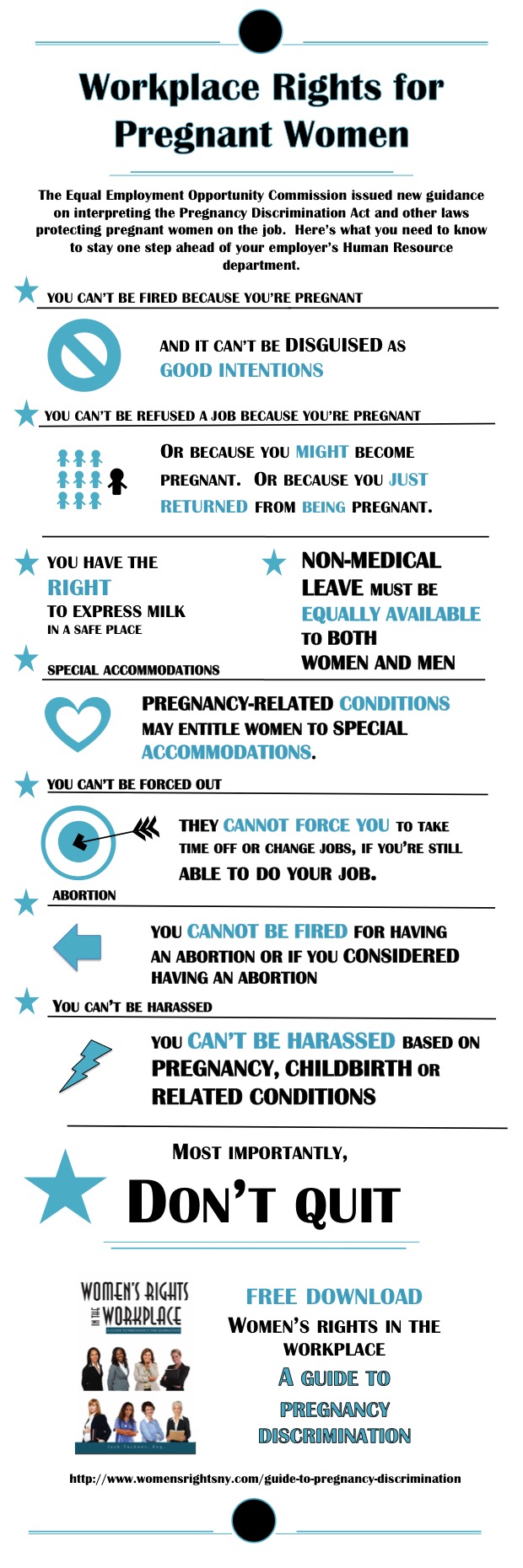
Under federal law, you may be experiencing pregnancy discrimination in the workplace if you believe that you are being treated differently or unfavorably as an employee or as a job applicant because of your pregnancy, childbirth, or related conditions. Pregnancy discrimination can include all of the following actions by your employer:
- refusing to hire you because you’re pregnant or planning to become pregnant;
- firing or demoting you because you’re pregnant or planning to become pregnant;
- denying your return to the same job you had (or a similar one) when you return from maternity leave, or any pregnancy-related leave;
- treating you differently than other temporarily disabled employees;
Under the federal Pregnancy Discrimination Act, your pregnancy-related condition may be considered a temporary disability, which may include chronic morning sickness, doctor-ordered bed rest, childbirth and the recovery from it, and any other related medical condition. So, when you’re pregnant, your employer must provide you with the same treatment and benefits that it gives to employees with other temporary disabilities.
If you believe that you or a loved one has experienced pregnancy discrimination, we invite you to call our office at 212-766-9100 to schedule a free consultation with an experienced NYC pregnancy discrimination attorney.
The following are examples of illegal pregnancy discrimination under the Pregnancy Discrimination Act:
 During an interview, you’re asked how many children you have or whether you plan on getting pregnant again.
- You tell your boss at work that you’re pregnant, and he fires you.
- You ask your employer if you can stop lifting heavy boxes (or some other kind of physically taxing work) while you’re pregnant, and they refuse, even though you know that another employee did not have to lift boxes at work while recovering from surgery for a non-pregnancy related condition.
- You need to take time off to visit your doctor for prenatal care, and you’re docked pay, or you’re disciplined for missing work, although other non-pregnant colleagues who need ongoing medical treatment are not docked or disciplined for their medical care.
- Hired by an Algorithm, Fired by Bias: When AI Screening Tools Discriminate
- The Death of “I Didn’t Mean To”: New York’s New Disparate Impact Law
- The Pregnancy Fairness Act: What Every Working Mom Needs to Know in 2026
- Can You Be Denied Maternity Leave If You Don’t Qualify for FMLA | New York Pregnancy Discrimination Lawyers
- Can Your Employer Deny Maternity Leave If You Haven’t Worked There a Year?
- How to Tell Your Employer You’re Pregnant (and Protect Yourself Legally)
- When and How to Announce Your Pregnancy at Work
- 5 Accommodations Your Employer Can’t Legally Deny When You’re Pregnant
- How Many Years Does Someone Have to File a Discrimination Lawsuit in New York?
- Pregnancy Discrimination Lawyer: Can I be Denied a Promotion Because I Am Pregnant? Know Your Rights in New York City

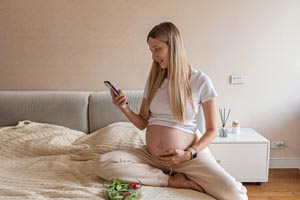 According to the New York City Council Committee on Civil Rights, an employee’s otherwise healthy pregnancy may require workplace accommodations, such as periodic breaks, because the stress resulting from a failure to obtain a reasonable accommodation could adversely affect a pregnant woman’s health. The Committee reported that this issue was critical given that women in New York City are the primary or co-breadwinners in nearly two-thirds of families, and single mothers head 34.2% of all households with children and over 82% of single-parent households.
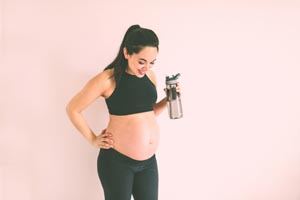 The Pregnant Workers Fairness Act is an amendment to the New York City Human Rights Law and it applies to all New York City employers who employ four or more people. Under the PWFA, a woman who is pregnant or has given birth is entitled to a reasonable accommodation of her responsibilities so that she can continue to perform the essential functions of her job, unless such an accommodation would cause an “undue hardship” on the employer’s business.
 No. If your company grants leave to other temporarily disabled employees, which it almost certainly does, it must also grant you leave for the period of time you are disabled by pregnancy and its related conditions, ensuring that those who have experienced pregnancy discrimination are treated fairly. Unfortunately, if other temporarily disabled workers are not entitled to leave or benefits, then neither are pregnant women or temporarily physically disabled new mothers, unless they are entitled to leave under the FMLA.